oldest tree on earth

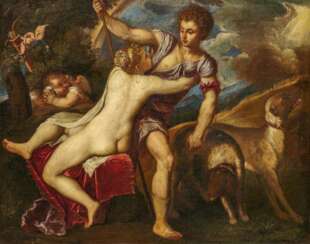

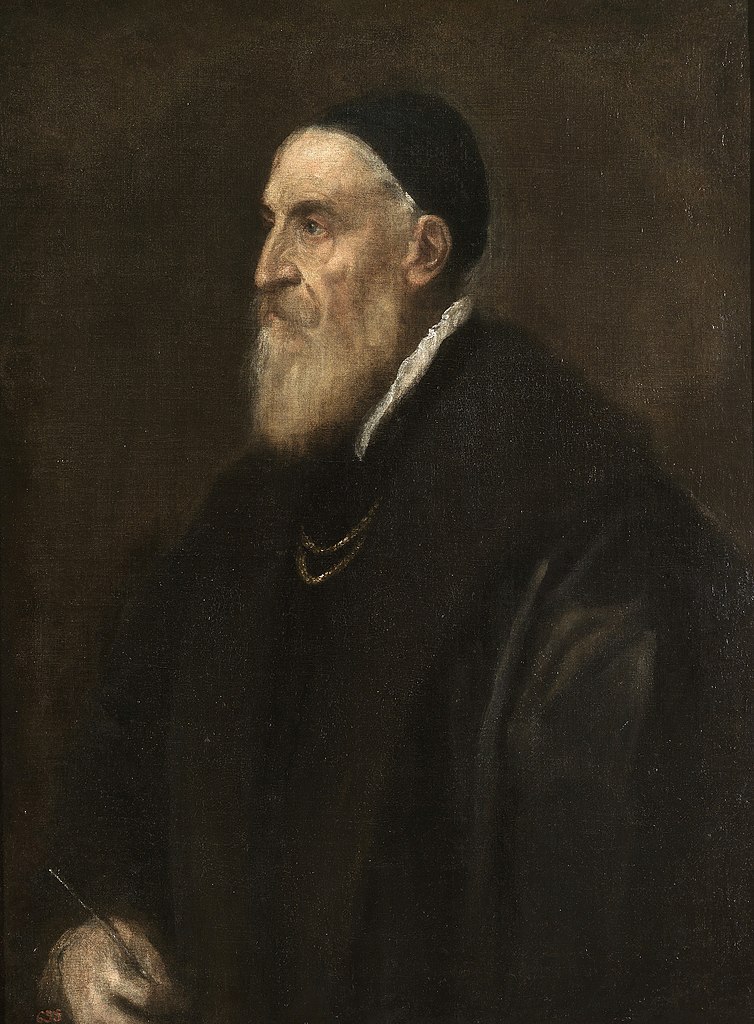
Tiziano Vecellio, an Italian Renaissance painter from Venice, stands out as a pivotal figure in the art world, renowned for his versatility across various genres like portraits, landscapes, and religious subjects. His influence on the development of Western art, particularly through his revolutionary use of color, is profound and long-lasting.
Born around 1488/90 in Pieve di Cadore, part of the then Republic of Venice, Titian's talent was evident early on. He began his artistic journey in the studio of the Bellini brothers in Venice, later joining forces with Giorgione, another influential painter of the time. This collaboration marked the beginning of a distinguished career that would see Titian become the most sought-after painter in Europe, working for nobility, the Habsburgs, and the papacy.
Titian's style evolved significantly throughout his career. He initially gained recognition for his vibrant, luminous colors and later became famous for his loose brushwork and subtle tonality. This shift was not just a matter of aesthetics but also represented a deeper understanding of color and light. Titian's approach to painting, particularly his use of colore, where he juxtaposed colors to define compositions, contrasted sharply with the line-focused disegno technique of the time. This method contributed significantly to the distinctiveness of Venetian art.
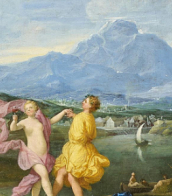
Among his many patrons, Emperor Charles V and his son, Philip II of Spain, were perhaps the most notable. As their official painter, Titian created numerous portraits and mythological works that were celebrated for their psychological depth and expressive use of color. His 'poesie' series for Philip II, including famous works like "Diana and Actaeon," showcased his skill in portraying mythological narratives with a sense of drama and sensuality.
Titian's later works, created in the 1560s and 1570s, are particularly revered for their experimental nature, pushing his art towards what has been termed 'magic impressionism'. These works, like "The Death of Actaeon" and the unfinished "Pietà", demonstrate a radical departure from his earlier style and reflect a continued evolution even in his later years.
For art collectors and experts, Titian's oeuvre represents a crucial link in the history of European art, illustrating the transition from the Renaissance to a more modern, expressive form of painting. His mastery of color and light, combined with his ability to convey deep emotional resonance, continues to influence artists and captivate viewers centuries later.
To stay updated on artworks and auction events related to Tiziano Vecelli, consider signing up for updates. This subscription will ensure you are informed about new product sales and auction events related to this remarkable artist.



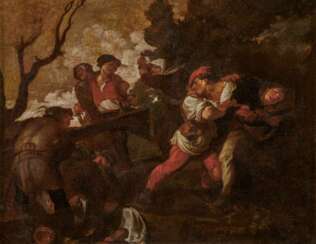

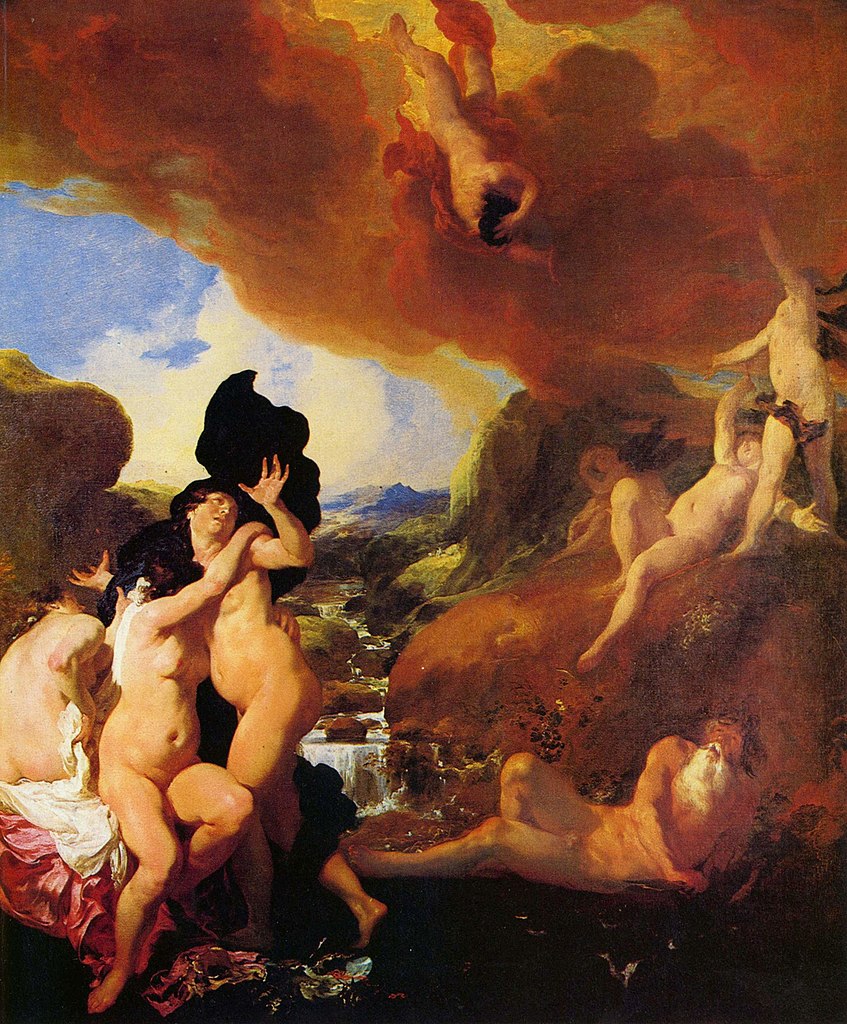
Johann Liss was a German painter of the first third of the 17th century. He is known as a painter, draughtsman and printmaker, who worked in Italy for much of his life, and as the son and namesake of Johann Liss, a painter at the court of the Dukes of Holstein.
Johann Liss worked primarily in the mythological genre. He is considered one of the key artists of the German Baroque and a prominent representative of the Venetian school. Early in his career, the artist traveled to the Netherlands, where he was influenced by a number of Dutch and Flemish masters. Italy inspired him to synthesize Dutch genre painting, Venetian style and Roman realism.
His paintings are in numerous European collections as well as in Russia and the United States.



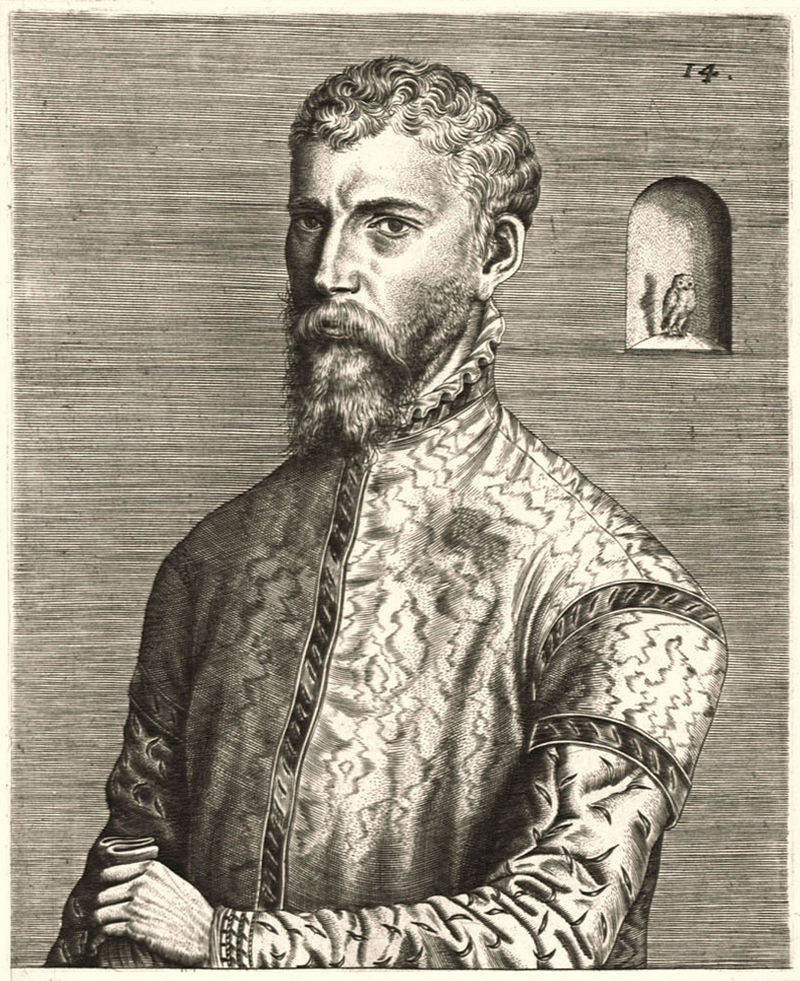
Herri met de Bles is a Flemish artist, along with Joachim Patinir, one of the founders of European landscape painting. He painted mainly landscapes with multi-figured compositions. Like Patinir, his style is characterized by stylized images of rocks and a careful rendering of aerial perspective.



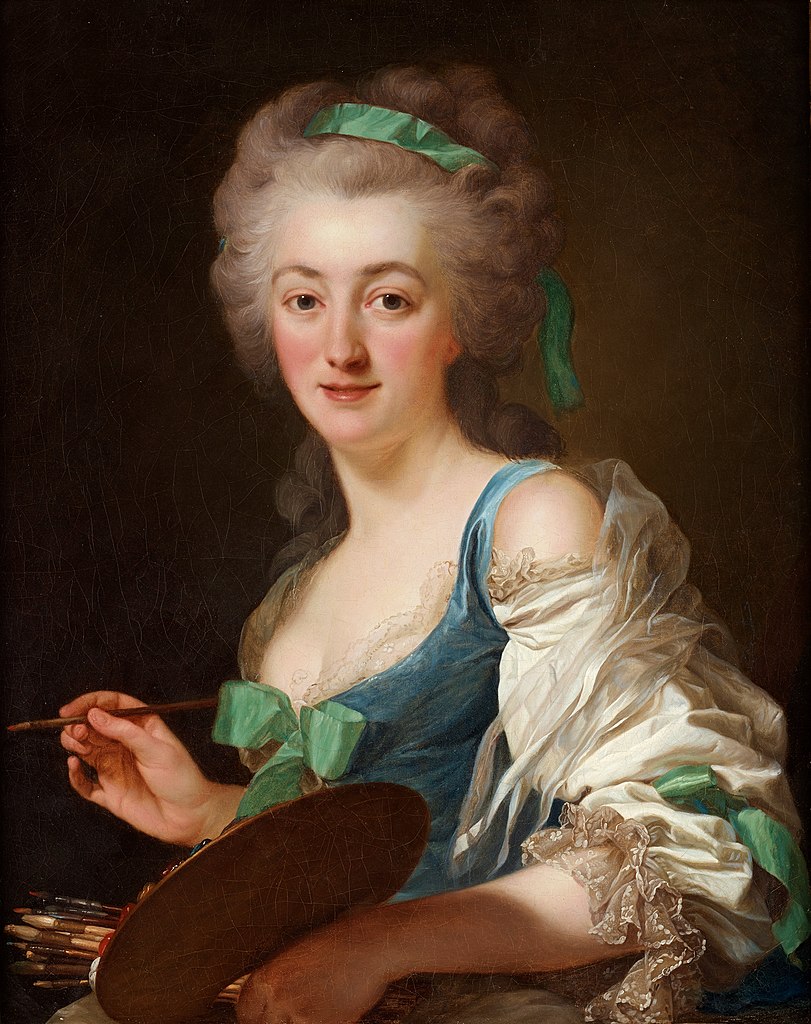
Anne Vallayer-Coster was a renowned French artist, celebrated for her exceptional still-life paintings that captivated 18th-century art enthusiasts, including the French Queen Marie Antoinette. Born into an artistic family in 1744, Vallayer-Coster's talent was evident early on, leading to her unanimous election into the prestigious Académie Royale at just 26 years old. Her works, characterized by their vibrant color, meticulous detail, and textural precision, often depicted bowls of fruit, game, shells, and flowers, showcasing the opulence of French aristocracy before the Revolution.
Vallayer-Coster's career was notable not only for her artistic achievements but also for her ability to navigate the male-dominated art world of her time. Despite the societal constraints on women artists, she gained the patronage of influential figures like Marie Antoinette and was one of the few women admitted to the Royal Academy of Painting and Sculpture. Her work received critical acclaim at the Salon, where she exhibited regularly from 1771 until 1817, and her still-lifes were praised for their sensuality, illusionistic perfection, and the rich, indulgent luxury they portrayed.
One of Vallayer-Coster's most ambitious works, Still Life with Flowers in an Alabaster Vase and Fruit (1783), exemplifies her unparalleled skill in capturing the soft textures of flowers and their harmonious arrangement. This masterpiece was hailed as such at the Salon of 1783 and is considered by Vallayer-Coster herself as her finest painting. Lost for nearly two centuries, it was recently rediscovered in an almost pristine state and is now part of the National Gallery of Art's collection, highlighting Vallayer-Coster's significant contributions to European art history.
Throughout her career, Vallayer-Coster produced more than 120 still lifes, always with a distinctive brilliance in color, earning her a place among the elite artists of her time. Despite facing challenges during the French Revolution due to her close association with the monarchy, she continued to exhibit her work and contribute to the art world until her death in 1818.
For collectors and experts in art and antiques, Anne Vallayer-Coster's legacy is a testament to her skill, resilience, and the impact of her work on the history of art. To stay updated on new product sales and auction events related to Anne Vallayer-Coster, sign up for updates that focus solely on this exceptional artist's contributions to the art world.


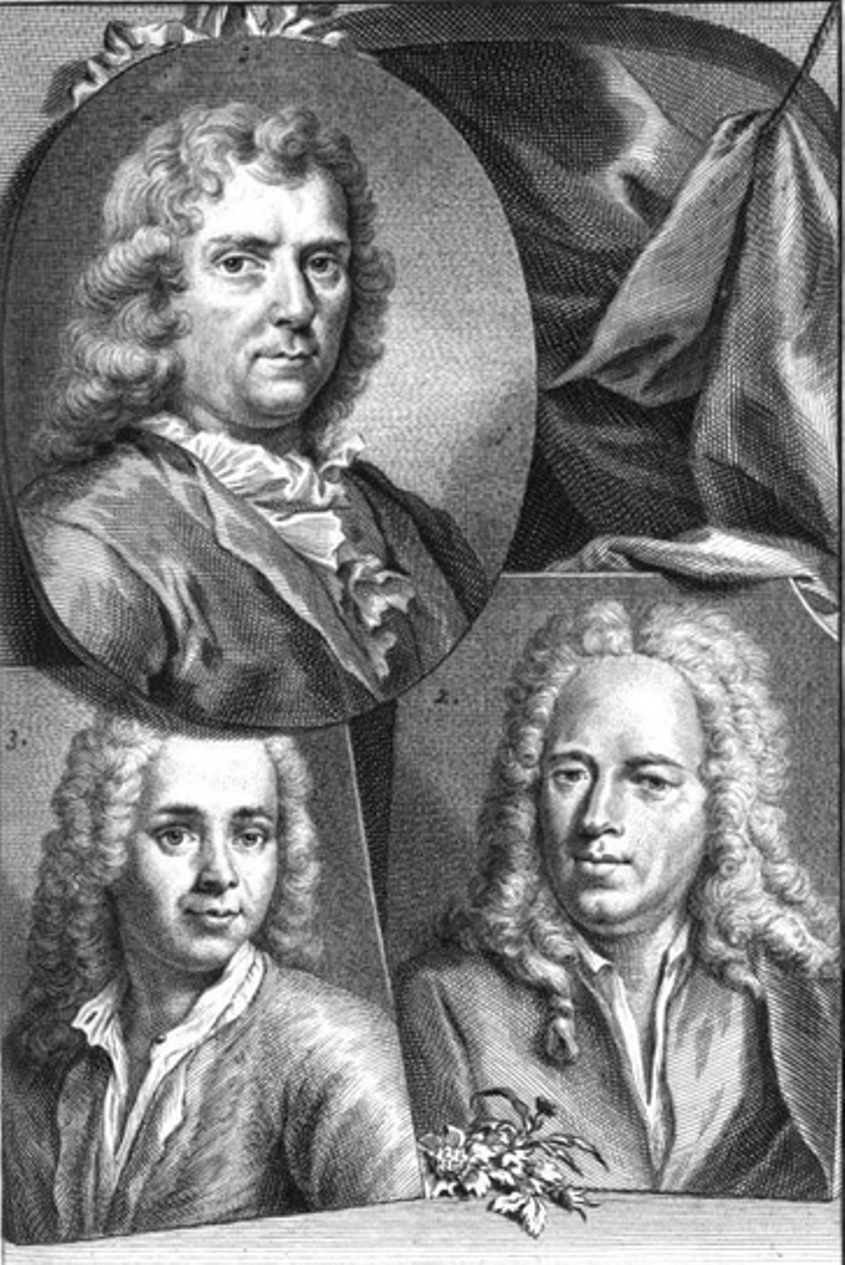

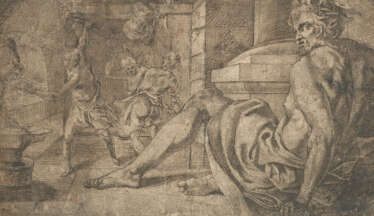

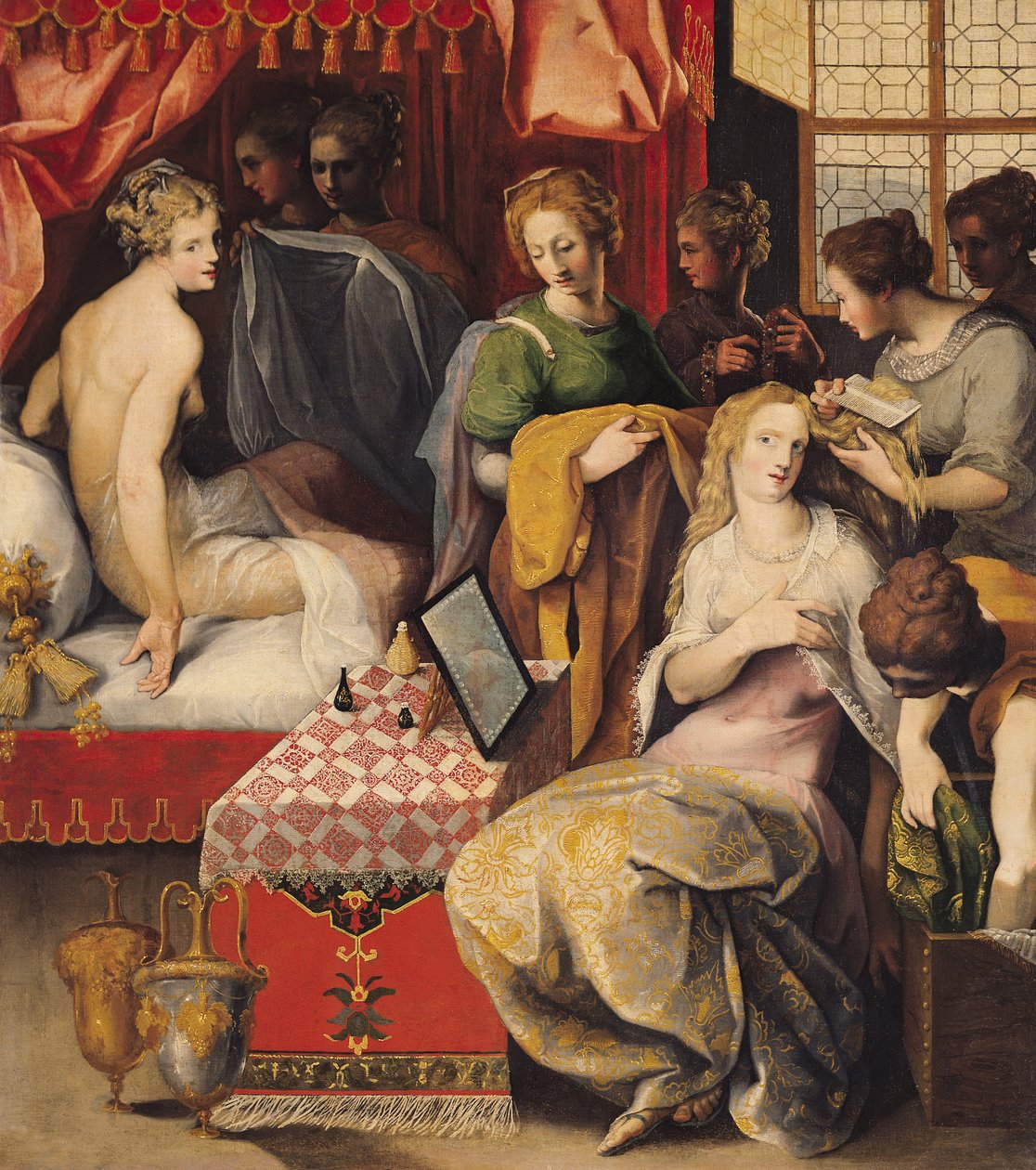


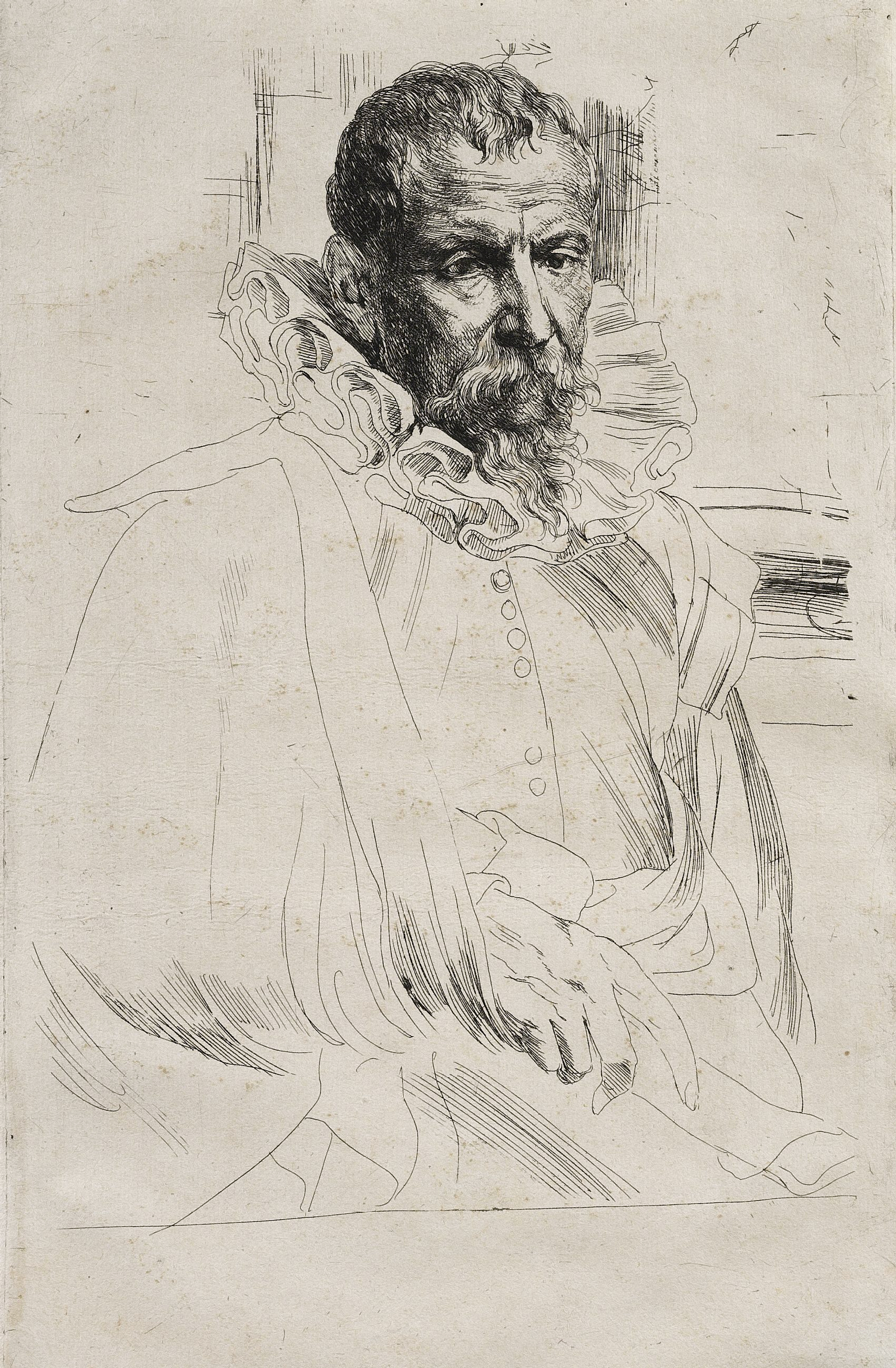
Pieter Brueghel the Younger was a Flemish artist celebrated for his detailed landscapes, religious themes, proverbs, and vibrant village scenes. Despite being the son of the illustrious Pieter Bruegel the Elder, Brueghel the Younger carved out his own niche in the art world, earning the moniker 'Hell Brueghel' for his dynamic scenes of fires and energetic copies of his father's peasant life portrayals.
Brueghel the Younger's original creations, such as "The Village Lawyer," showcase his keen observation of village life, merging the energy and boldness of 17th-century style with his father's idiom. His work is characterized by its lively, picturesque depiction of peasants, albeit some critics argue they lack the subtlety and humanism of his father's creations. Despite this, Brueghel the Younger's legacy includes a significant number of original works and copies that were rediscovered in the 20th century, highlighting his contribution to the Flemish painting tradition.
His workshop was known for its prolific output, especially in producing copies of Bruegel the Elder's compositions, a testament to the enduring popularity and influence of the Bruegel family's artistic legacy. However, Brueghel the Younger also impressed with his unique compositions, contributing to the genre of still life and village scenes with a distinct style that resonated well into modern times.
For collectors and experts in art and antiques, Pieter Brueghel the Younger's works represent an important period in Flemish art, offering insights into the evolution of genre painting and the detailed portrayal of rural life. His paintings, held in esteemed collections worldwide, continue to be studied and admired for their vibrancy, narrative quality, and historical value.
To explore more about Pieter Brueghel the Younger and to stay updated on sales and auction events related to his work, signing up for specialized updates can offer exclusive insights into the world of this influential Flemish painter. This subscription ensures enthusiasts and collectors are well-informed about developments related to Brueghel the Younger's oeuvre, enhancing their appreciation and understanding of his artistic legacy.
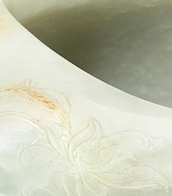
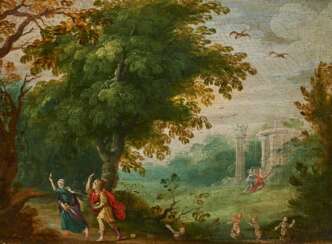

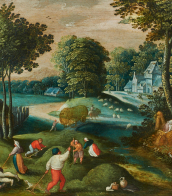
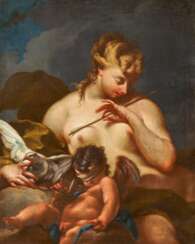

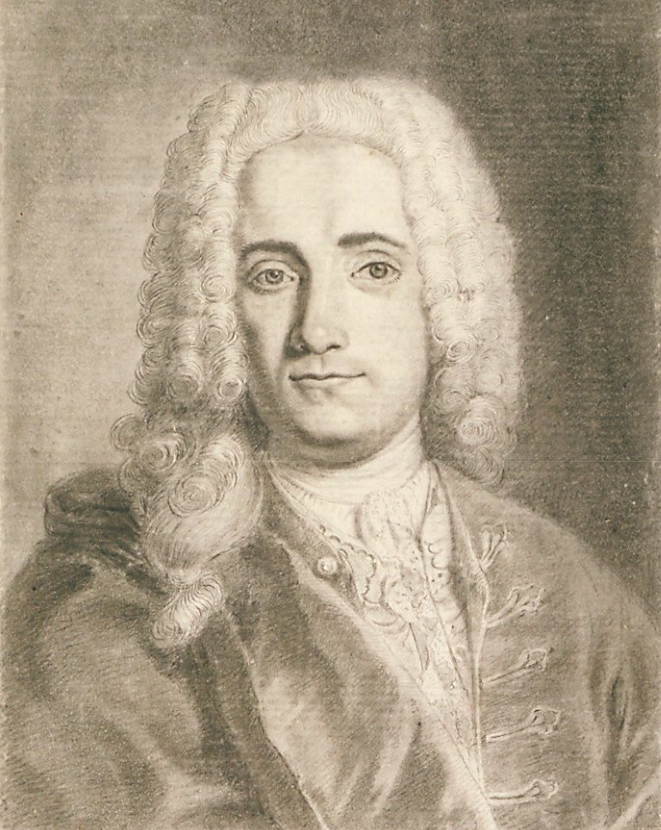
Giambattista Pittoni, an illustrious Venetian painter from the 18th century, was renowned for his religious, historical, and mythological artworks. His style, once established, remained consistent throughout his career, characterized by fluency and expressive theatricality, making his paintings timeless within the Venetian art scene. Despite being less traveled compared to his contemporaries, Pittoni received numerous international commissions, particularly from Germany, reflecting his widespread acclaim.
Giambattista Pittoni's works include altarpieces for various churches across Italy and notable commissions from European royalty and aristocracy. His patrons included Augustus II of Poland, Clemens August of Bavaria, and Philip V of Spain, showcasing his significant influence beyond Italian borders. His artistic journey was influenced by early interactions with Venetian painters like Sebastiano Ricci and later by the Rococo style, evident in his sophisticated and elegant use of color.
Giambattista Pittoni's legacy is evident in various collections, including the National Gallery, London, and the Gallerie dell'Accademia in Venice, which houses a collection of his preparatory studies. As a founding member and later president of the Venice Academy, his contributions to the art world were substantial, leaving an enduring impact on the Venetian art scene and beyond.
For those interested in delving deeper into the world of Venetian art and exploring Giambattista Pittoni's exquisite works, consider signing up for updates on exhibitions, sales, and auctions featuring his art. This will provide enthusiasts and collectors with the latest information and opportunities to engage with Pittoni's enduring artistic legacy.
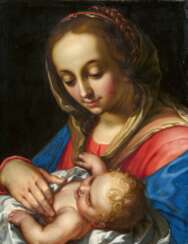

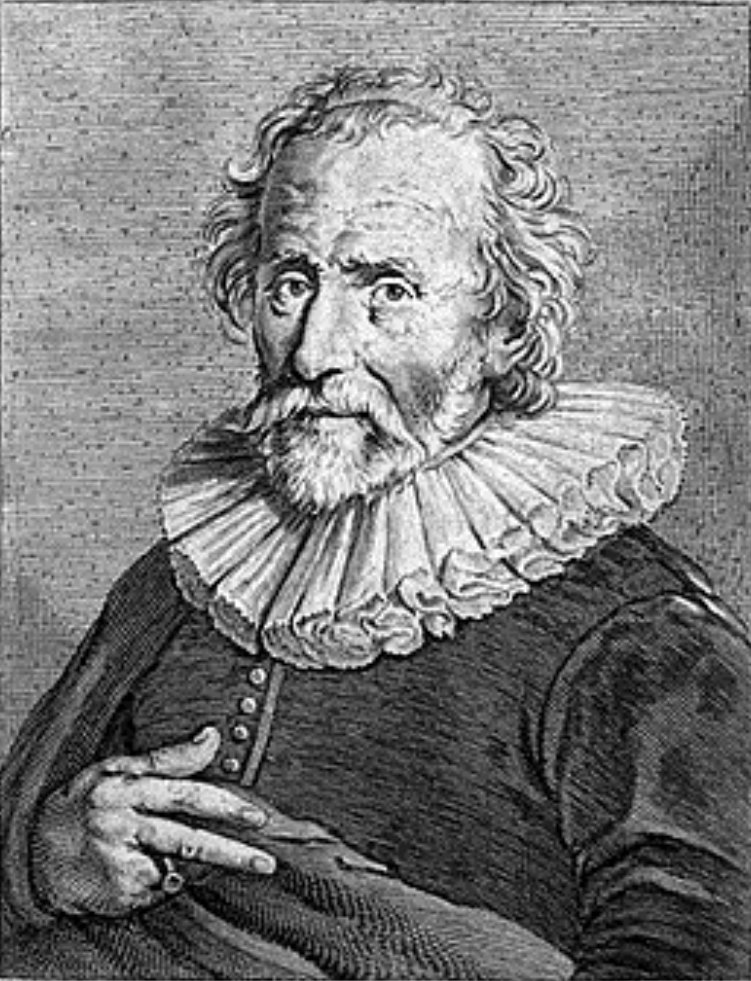
Abraham Bloemaert was a Dutch painter, draughtsman, and printmaker from the Golden Age of Dutch painting, one of the founders of the Guild of St. Luke in Utrecht. Bloemart was a caravagist. He painted mainly landscapes, mythological and biblical scenes, and pastoral works.


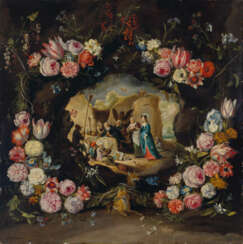

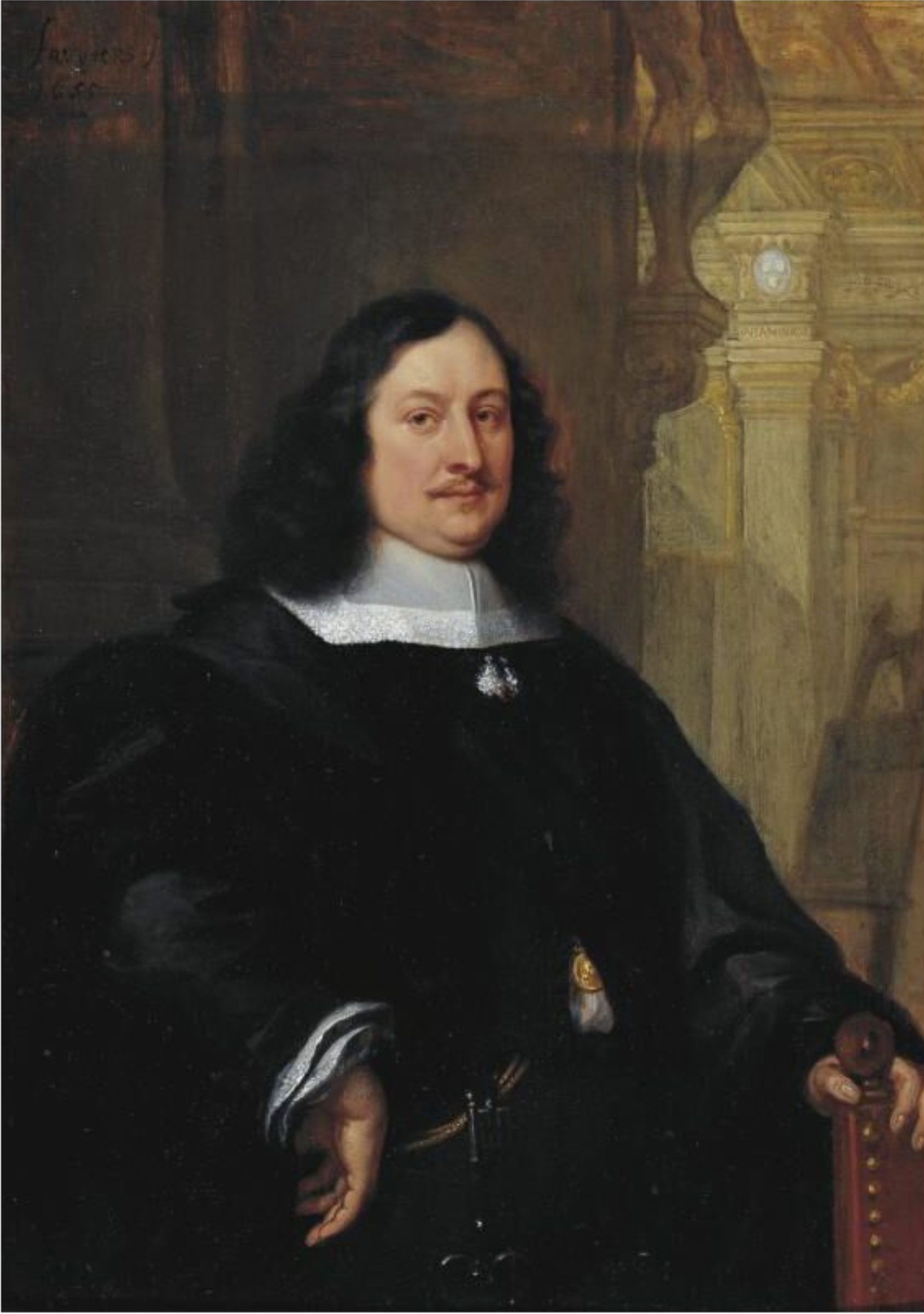
David Teniers the Younger was a Flemish Baroque painter, printmaker, draughtsman, miniaturist painter, staffage painter, copyist and art curator. He was an extremely versatile artist known for his prolific output. He was an innovator in a wide range of genres such as history painting, genre painting, landscape painting, portrait and still life. He is now best remembered as the leading Flemish genre painter of his day. Teniers is particularly known for developing the peasant genre, the tavern scene, pictures of collections and scenes with alchemists and physicians.
He was court painter and the curator of the collection of Archduke Leopold Wilhelm, the art-loving Governor General of the Habsburg Netherlands. He created a printed catalogue of the collections of the Archduke. He was the founder of the Antwerp Academy, where young artists were trained to draw and sculpt in the hope of reviving Flemish art after its decline following the death of the leading Flemish artists Rubens and Anthony van Dyck in the early 1640s. He influenced the next generation of Northern genre painters as well as French Rococo painters such as Antoine Watteau.

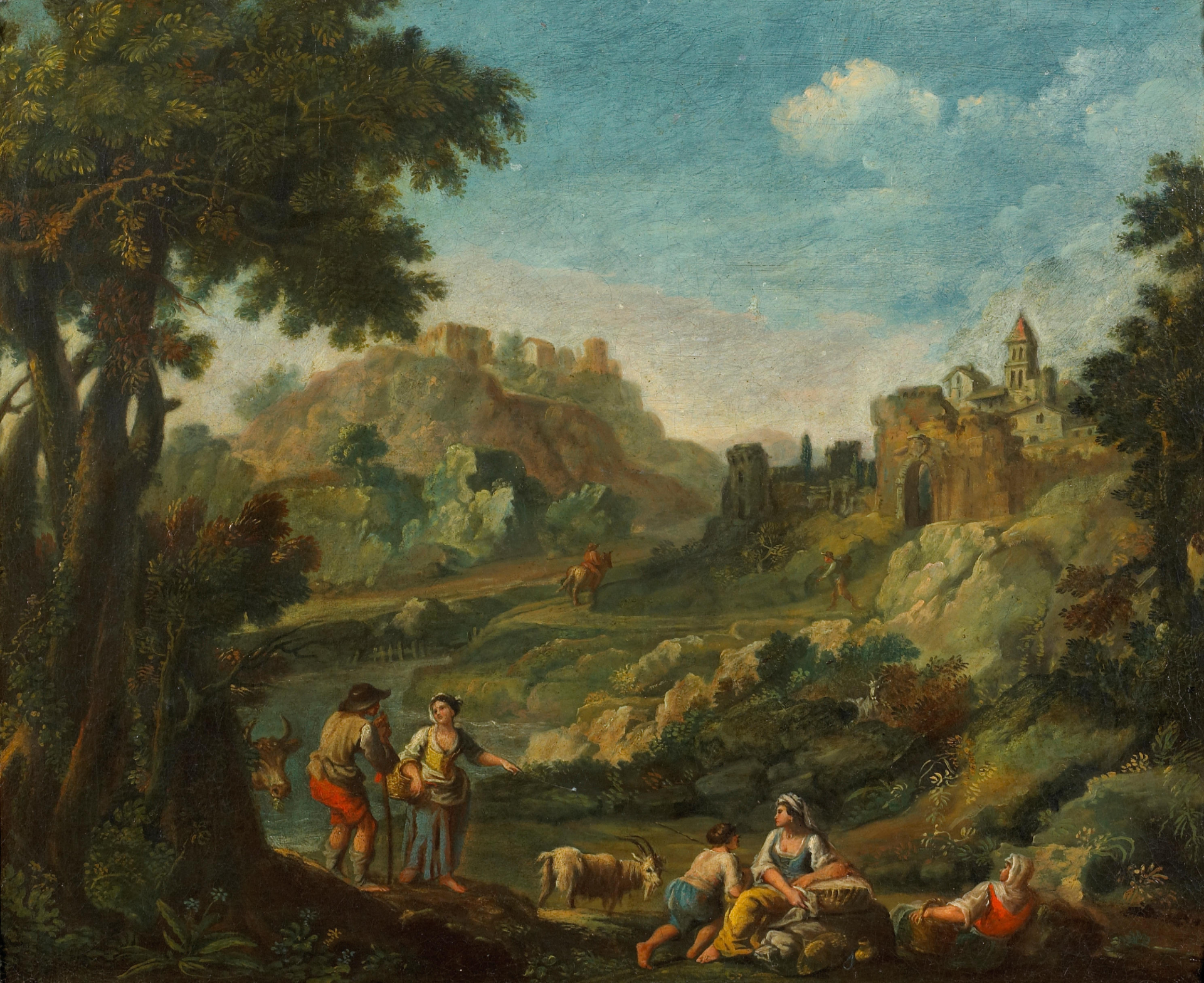
Giuseppe Zais was an Italian painter of landscapes (vedutisti) who painted mostly in Venice.


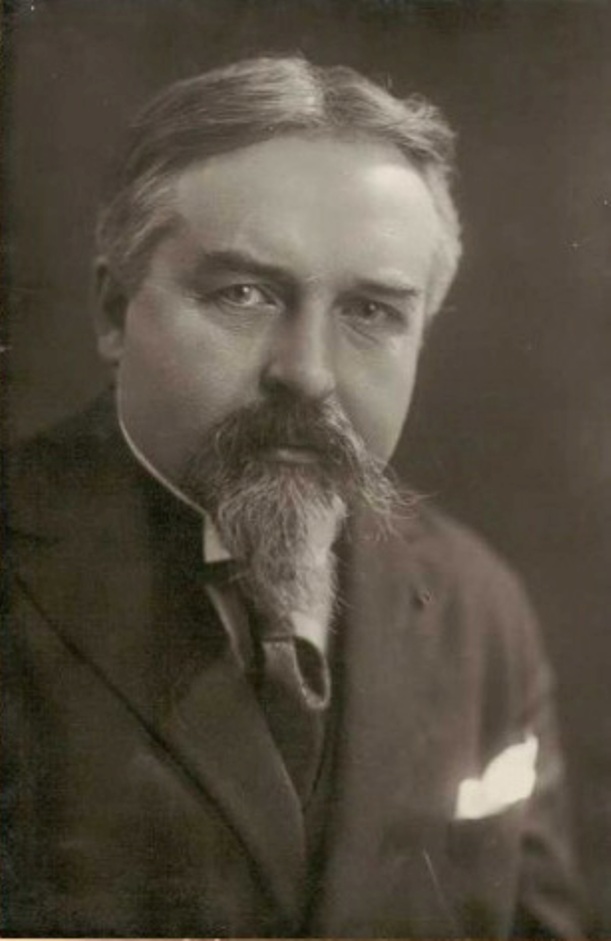
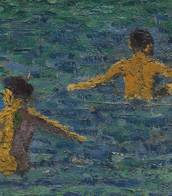
Maurice Denis, a French painter and writer, was an influential figure in the transition from impressionism to modern art. Born on November 25, 1870, in Granville, France, Denis's artistic journey began at the Académie Julian in Paris. Here, he met future collaborators like Paul Sérusier and Pierre Bonnard, with whom he later formed the Nabis group, a collective deriving its name from the Hebrew word "Nabi," meaning "Prophet".
Denis's style evolved from neoimpressionism, influenced by artists like Seurat, to a more decorative and colorful approach under the influence of Gauguin. This shift is evident in works like "Taches du soleil sur la terrace" (1890). He famously stated, "Art is no longer a visual sensation... it is a creation of our spirit," highlighting his belief in art as an idealistic expression, transcending mere imitation of nature.
Denis was also impacted by Japanese art, which influenced his compositions and styles, contributing to his unique and recognizable approach. His philosophy on art, encapsulated in his 1890 essay published in "Art et Critique," emphasized the importance of color and form in creating emotional depth, a notion that laid the groundwork for modernism. He argued that a painting's essence lies in its colors and composition, rather than its subject matter.
Throughout his career, Denis's work evolved towards a more classical approach. His involvement with the Ateliers d'Art Sacré, founded in 1919, demonstrated his interest in religious art and decoration. His notable works include "The Legend of Saint Hubert" (1897) and "The History of Music" for the Théâtre des Champs Elysées (1912-1913).
Tragically, Maurice Denis's life ended on November 13, 1943, when he was struck by a truck during the German occupation of Paris. However, his legacy endures through his contributions to modern art and symbolism, his influence on fellow artists, and his works displayed in various museums and galleries.
For collectors and art experts, Denis's work offers a unique glimpse into the evolution of modern art. His blend of symbolism, color, and form marks a significant shift in art history. To stay updated on new sales and auction events related to Maurice Denis's work, sign up for our newsletter. This subscription will keep you informed about the latest developments in the world of this remarkable artist.
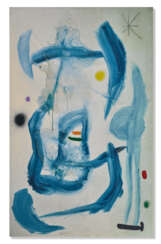

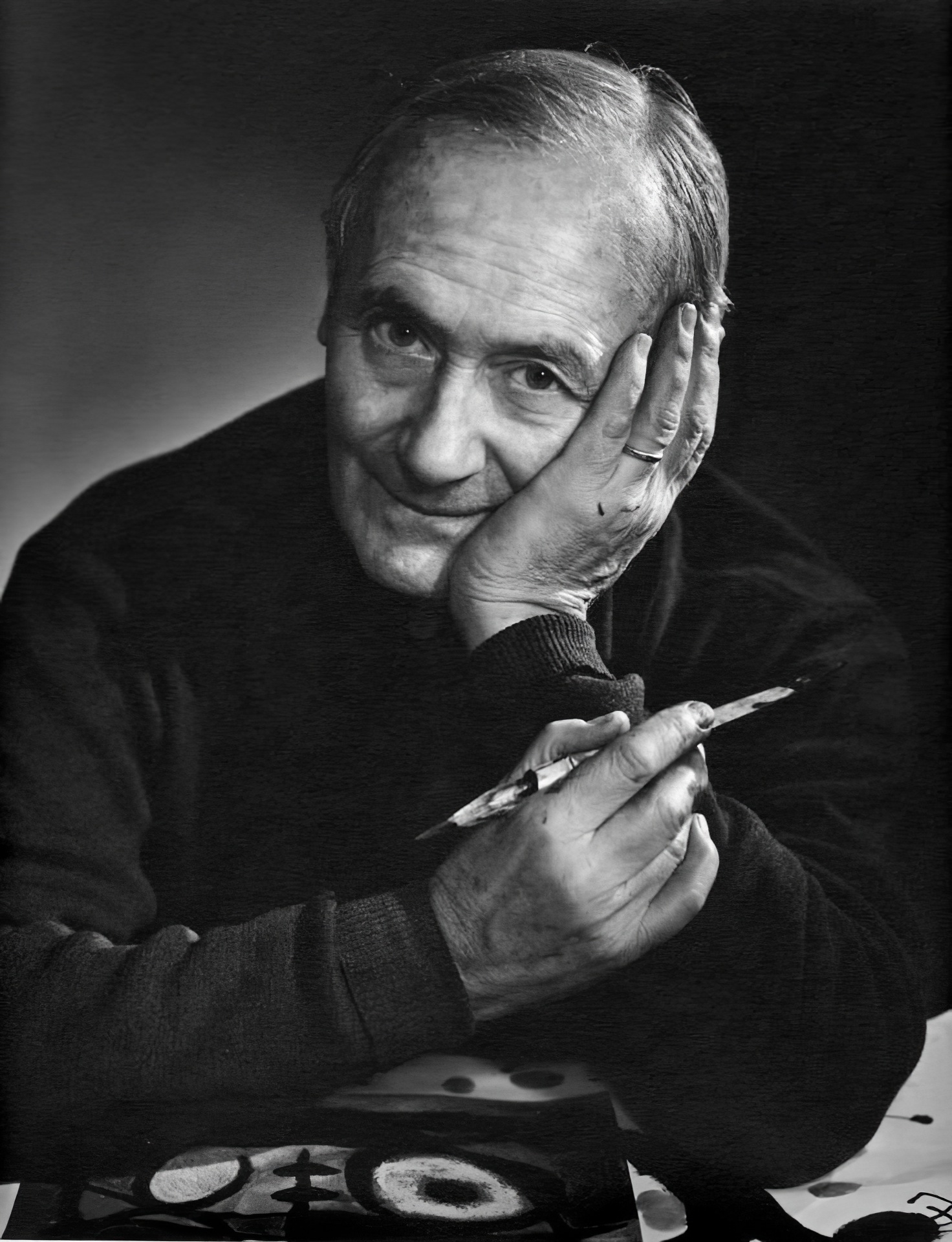
Joan Miró, a celebrated Spanish artist, was a master in painting, sculpture, and ceramics, renowned for his unique style that blurred the lines between Surrealism, Fauvism, and Expressionism. Born in Barcelona to a family of a goldsmith and a watchmaker, Miró grew up immersed in the rich cultural heritage of the Barri Gòtic neighborhood. His artistic journey began with drawing classes at the age of seven and continued at the prestigious La Llotja art academy. Despite an initial venture into the business world, Miró's passion for art prevailed, leading him to abandon his clerical career after a nervous breakdown.
Miró's work is noted for its exploration of the subconscious, often depicting a childlike perspective. This approach was both a critique of traditional painting methods and a means of expressing Catalan pride. His art, challenging to categorize, often featured symbolic elements and nationalistic qualities. One of his notable early works, "The Farm," reflects a transition to a more individual style, blending elements of his Catalan roots with broader artistic influences. This piece, later purchased by Ernest Hemingway, encapsulated the essence of Spain in its imagery.
In Paris, Miró joined the Surrealist movement in 1924, where his work began to reflect the influence of automatism, emphasizing spontaneous, automatic, or subconscious creation. He experimented with various mediums, including painting-poetry and collage, and even ventured into set and costume design for Sergei Diaghilev's Ballets Russes.
During World War II, Miró remained in Spain, and his work from this period, including the 22 Constellations series, reflected an interest in the night, music, and stars. His forms became increasingly abstracted, and he experimented with various techniques, often incorporating primary colors and evocative titles.
Miró's career spanned several decades, during which he continually evolved his style and explored new mediums. His contributions to art were recognized with numerous awards and retrospectives, including a major career retrospective at MoMA in 1941 and the Spanish Gold Medal for Fine Arts in 1980. Among his last major works was a tapestry for the World Trade Center in New York City, created in 1974.
For art collectors and enthusiasts, Joan Miró remains a figure of immense interest, not only for his distinct style and contributions to Surrealism but also for his ability to blend poetic imagery with political commentary. To stay updated on new product sales and auction events related to Joan Miró, sign up for our updates and immerse yourself in the world of this extraordinary artist.



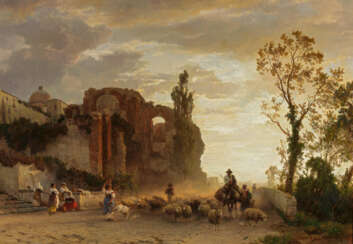

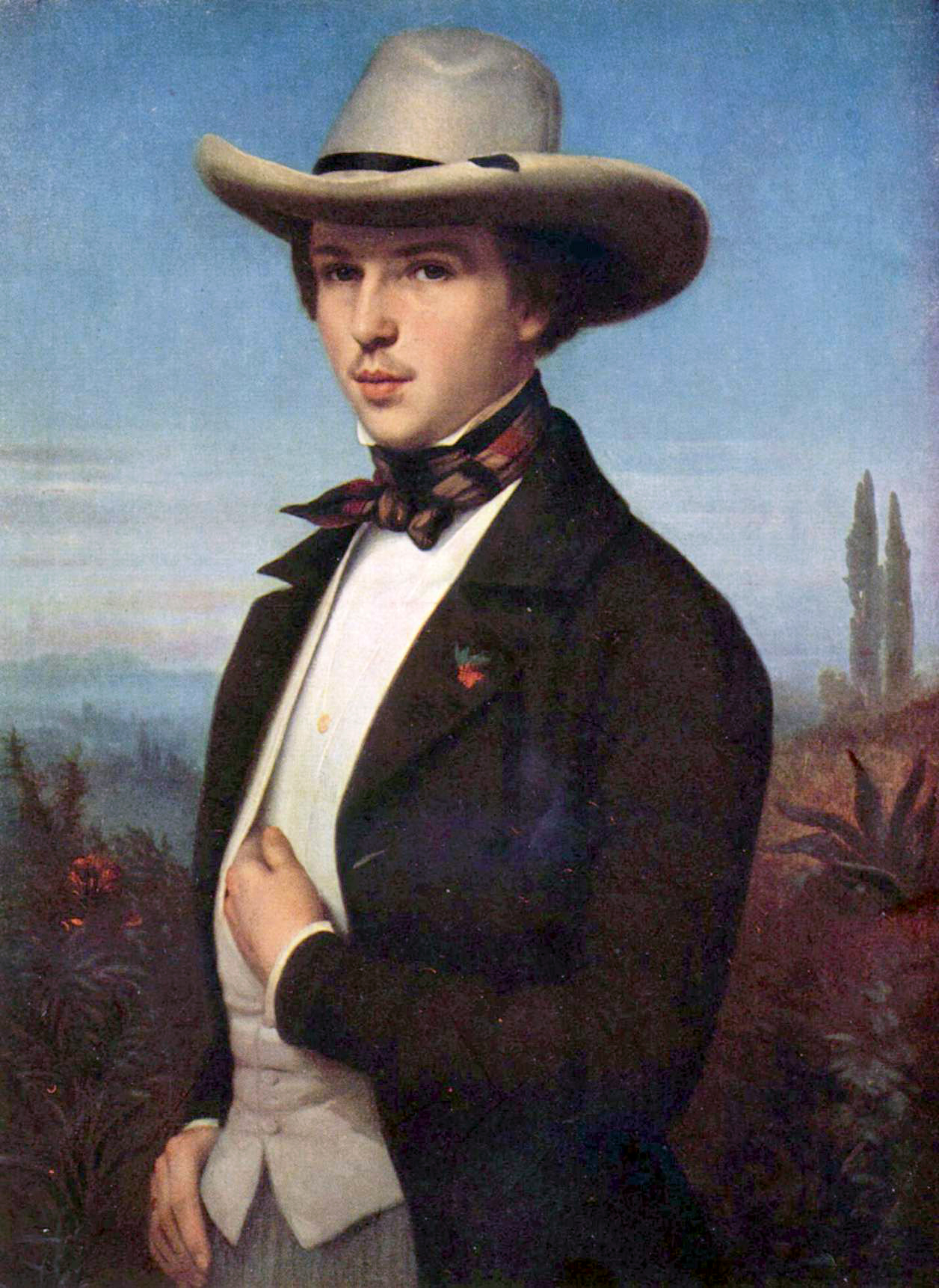
Oswald Achenbach was a German painter associated with the Düsseldorf school of painting. Though little known today, during his lifetime he was counted among the most important landscape painters of Europe. Through his teaching activities, he influenced the Kunstakademie Düsseldorf. His brother, Andreas Achenbach, who was twelve years older, was also among the most important German landscape painters of the 19th century. The two brothers were humorously called "the A and O of Landscapes" (a reference to their initials matching a common German reference to the Alpha and Omega).











Joan Miró, a celebrated Spanish artist, was a master in painting, sculpture, and ceramics, renowned for his unique style that blurred the lines between Surrealism, Fauvism, and Expressionism. Born in Barcelona to a family of a goldsmith and a watchmaker, Miró grew up immersed in the rich cultural heritage of the Barri Gòtic neighborhood. His artistic journey began with drawing classes at the age of seven and continued at the prestigious La Llotja art academy. Despite an initial venture into the business world, Miró's passion for art prevailed, leading him to abandon his clerical career after a nervous breakdown.
Miró's work is noted for its exploration of the subconscious, often depicting a childlike perspective. This approach was both a critique of traditional painting methods and a means of expressing Catalan pride. His art, challenging to categorize, often featured symbolic elements and nationalistic qualities. One of his notable early works, "The Farm," reflects a transition to a more individual style, blending elements of his Catalan roots with broader artistic influences. This piece, later purchased by Ernest Hemingway, encapsulated the essence of Spain in its imagery.
In Paris, Miró joined the Surrealist movement in 1924, where his work began to reflect the influence of automatism, emphasizing spontaneous, automatic, or subconscious creation. He experimented with various mediums, including painting-poetry and collage, and even ventured into set and costume design for Sergei Diaghilev's Ballets Russes.
During World War II, Miró remained in Spain, and his work from this period, including the 22 Constellations series, reflected an interest in the night, music, and stars. His forms became increasingly abstracted, and he experimented with various techniques, often incorporating primary colors and evocative titles.
Miró's career spanned several decades, during which he continually evolved his style and explored new mediums. His contributions to art were recognized with numerous awards and retrospectives, including a major career retrospective at MoMA in 1941 and the Spanish Gold Medal for Fine Arts in 1980. Among his last major works was a tapestry for the World Trade Center in New York City, created in 1974.
For art collectors and enthusiasts, Joan Miró remains a figure of immense interest, not only for his distinct style and contributions to Surrealism but also for his ability to blend poetic imagery with political commentary. To stay updated on new product sales and auction events related to Joan Miró, sign up for our updates and immerse yourself in the world of this extraordinary artist.